
В спецификациях автомобиля или мотоцикла всегда есть две цифры: куб. см и мощность в лошадиных силах. Вы можете узнать кое-что о двигатель от них обоих, но они измеряют разные вещи. Многие люди считают, что более высокое значение CC означает большую мощность, но это не всегда так. В этом руководстве будет объяснено, что на самом деле означают куб. см и лошадиная сила, как они связаны и на что вам следует обратить внимание при поиске автомобиля.
Куб. см и лошадиная сила: понимание основ
Во-первых, давайте рассмотрим простые значения этих двух слов.
Что означает CC?
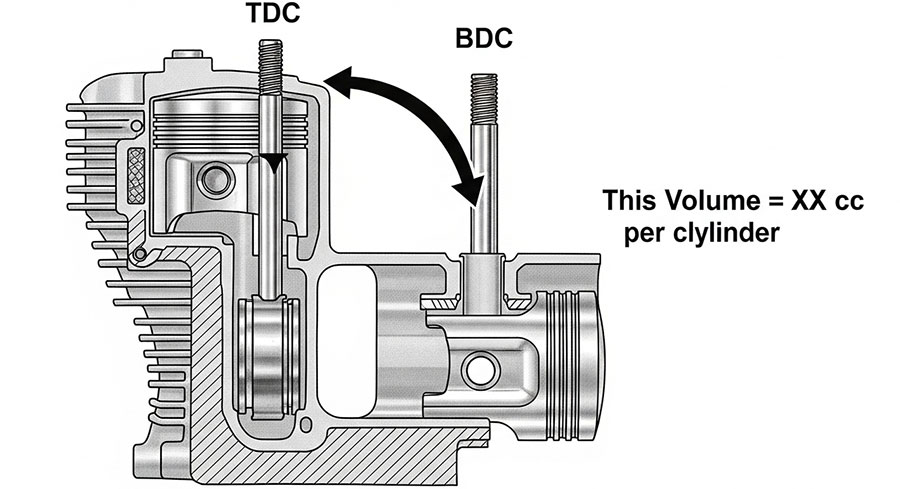
Кубический сантиметр - это сокращение от кубических сантиметров. Оно показывает, насколько велик ваш двигатель, в частности, сколько места он занимает. Можно сказать, что это как “объем легких” двигателя.
Вот простой способ подумать об этом: поршни в вашем двигателе перемещаются вверх и вниз по цилиндрам. Количество куб. см показывает, сколько воздуха и топлива могут всасывать поршни при движении сверху вниз. Двигатель объемом 2000 куб. см может вместить больше этой смеси, чем двигатель объемом 1000 куб. см.
- Важный момент: CC не говорит вам о том, насколько мощный двигатель, только о том, насколько он большой.
Что означает лошадиная сила?
Мощность в лошадиных силах - это способ измерить мощность или объем работы, которую двигатель может выполнить за определенное время. Короче говоря, он показывает, насколько мощным и быстрым является двигатель. Как правило, автомобиль с большей мощностью может ехать быстрее и развивать более высокую максимальную скорость.
Но тут есть одна изюминка. Вам нужно знать о крутящем моменте, чтобы действительно понимать мощность в лошадиных силах.
- Крутящий момент - это первичная крутящая сила двигателя, которая является первым “толчком”, который вы ощущаете, когда нажимаете на газ.
- Мощность в лошадиных силах - это то, насколько быстро двигатель может использовать этот крутящий момент, чтобы поддерживать вас в рабочем состоянии.
Крутящий момент - это то, с какой силой вы поворачиваете гаечный ключ, а лошадиная сила - это то, с какой скоростью вы можете его поворачивать. Двигатели вырабатывают лошадиную силу за счет сочетания частоты вращения (RPM) и крутящего момента.
Самое важное различие: Размер по сравнению с Производительность
Это основная идея. Куб. см и лошадиная сила - это две разные вещи, которые описывают двигатель.
Куб. см Измеряет Объем двигателя
Куб. см - это количество свободного места. Оно не меняется из-за количества цилиндров, расстояния, на которое перемещаются поршни, и диаметра цилиндров. Объем двигателя в куб. см не меняется после его сборки. Это показатель потенциала; теоретически, большее пространство может вызвать больший взрыв.
Мощность двигателя Измеряется в лошадиных силах
Мощность - это главное для достижения цели. Это последний тест, позволяющий увидеть, насколько хорошо двигатель преобразует топливо в полезную мощность. Вы можете изменить это число. Инженеры могут увеличить мощность в лошадиных силах, не меняя куб. см, заставляя двигатель дышать, сжигать топливо и более эффективно отводить тепло.
Как связаны куб. см и лошадиная сила (и почему это непросто)
Двигатель большего объема (с большим объемом куб. см) может вырабатывать больше мощности, потому что он может сжигать больше бензина. Но превращение этого потенциала в реальные лошадиные силы зависит от множества разумных инженерных решений.
Ключевые факторы, нарушающие Простую Связь
- Нагнетатели и турбонаддувы: Это что-то вроде "мощных вентиляторов”, которые нагнетают больше воздуха в двигатель. 2,0-литровый (2000 куб.см) двигатель с турбонаддувом часто может выдавать больше лошадиных сил, чем 3,0-литровый двигатель без турбонаддува.
- Технология: Новые функции, такие как регулировка фаз газораспределения и непосредственный впрыск, помогают двигателям лучше дышать и эффективнее сжигать топливо, извлекая больше энергии из каждой капли топлива.
- Высокие обороты: Некоторые двигатели, например, в спортбайках, рассчитаны на очень быстрое вращение (высокие обороты). Меньший двигатель с высокими оборотами может работать лучше, чем больший и более медленный, потому что мощность зависит от числа оборотов.
Сравнение в реальном мире
Вот таблица, которая показывает, почему вы не можете определить мощность в лошадиных силах, просто взглянув на CC:
| Пример транспортного средства | Объем двигателя (куб.см) | Мощность в лошадиных силах (л.с.) | Причина |
|---|---|---|---|
| Типичный Среднеразмерный Седан | 2500 куб. см | ~180 л.С. | Современный, эффективный дизайн. |
| Высокопроизводительный Седан | 2000cc | ~300 л. С. | Использует турбонаддув для обеспечения большой мощности. |
| Большой Крейсерский Мотоцикл | 1800cc | ~80 л.С. | Рассчитан на низкий крутящий момент, а не на высокие обороты. |
| Спортивный Мотоцикл | 1000cc | ~200 л.С. | Рассчитан на чрезвычайно высокие обороты. |

Что для вас важно: кубический сантиметр или лошадиная сила?
Итак, на какой номер следует обратить внимание при покупке автомобиля? Все зависит от того, что вам нужно.
Когда CC Важнее
Обратите внимание на CC, если:
- У вас ограниченная сумма денег: во многих местах размер двигателя определяет, сколько дорожного налога вам придется заплатить.
- Вы хотите знать, сколько бензина будет потреблять ваш автомобиль: двигатель меньшего объема (меньше куб. см) обычно потребляет меньше бензина, когда вы ездите на нем каждый день, но это не всегда так (см. Мифы ниже).
- Вам нужен низкий уровень шума: двигатель с большим объемом куб. см обычно облегчает получение сильного полезного крутящего момента на низких оборотах, что полезно при буксировке прицепа или перевозке тяжелых грузов.
Когда Лошадиная сила Важнее
Обратите внимание на мощность в лошадиных силах, если:
- Вам нравится производительность: это лучший способ угадать, с какой скоростью может ехать машина.
- Вы много ездите по шоссе, поэтому наличие большего количества лошадиных сил делает более безопасным и легким обгон других автомобилей и вливание в быстрое движение.
- Вы хотите веселой и отзывчивой езды. Увеличение мощности обычно означает более захватывающий опыт вождения.
3 Распространенных Мифа, которые не соответствуют Действительности
Давайте проясним некоторые распространенные недоразумения.
- Миф 1: “Есть простой способ сменить CC на HP”.
Факт: надежной формулы не существует. С появлением новых технологий старые правила, такие как “каждые 100 куб. см дают 10 лошадиных сил”, больше не действуют. В зависимости от того, как он построен, двигатель объемом 1000 куб.см может развивать мощность 50 или 200 л.с. - Миф 2: “Чем больше куб. см, тем меньше расход бензина”.
Факт: Технология меняет правила. Небольшой двигатель с турбонаддувом может расходовать меньше бензина на шоссе, чем более мощный двигатель без турбонаддува, потому что ему приходится работать интенсивнее. Каждый раз проверяйте реальные рейтинги миль на галлон. - Миф 3: “Лошадиные силы - это единственное, что заставляет машину ехать быстро”.
Также важно, сколько весит автомобиль! Легкий автомобиль мощностью 200 л.с. может ехать намного быстрее, чем тяжелый внедорожник мощностью 300 л.с. Трансмиссия и шины также очень важны.
Заключение
Итак, в чем разница? Куб. см определяет, насколько велик двигатель, а мощность - насколько хорошо он работает. Двигатель большего размера может дать вам больше мощности, но умная инженерия может заставить меньший двигатель выиграть гонку.
При сравнении автомобилей не зацикливайтесь только на одной цифре. Для определения производительности проверьте мощность в лошадиных силах; для определения общих эксплуатационных расходов проверьте куб. см; и всегда помните, насколько важен крутящий момент для удовлетворительного отрыва от трассы. Лучший выбор - знать, как все эти части работают вместе.
Вопросы и ответы
Вопрос: Можете ли вы увеличить объем вашего двигателя куб. см?
О: Да, с помощью процесса, называемого “растачиванием”, при котором цилиндры делаются шире. Это серьезная дорогостоящая модификация, обычно выполняемая специалистами, а не простая модернизация.
Вопрос: Как я могу увеличить мощность в лошадиных силах без изменения CC?
Ответ: Обычные обновления включают улучшение воздушного потока (с помощью новой системы впуска или выпуска воздуха), настройку компьютера двигателя (ECU) или добавление турбонаддува.
Вопрос: Является ли двигатель с большим объемом двигателя более надежным?
О: Не обязательно. Простой атмосферный двигатель (без турбонаддува) часто менее сложен и может быть очень надежным. Турбомотор меньшего размера с высокой нагрузкой и большим количеством сложных деталей может иметь больше потенциальных точек отказа.
Вопрос: Что такое “хорошая” мощность в лошадиных силах?
О: Все дело в балансе для ваших нужд. Компактный автомобиль мощностью 130-150 л.с. обычно отлично подходит для города. Большинство семейных седанов и внедорожников уверенно чувствуют себя при мощности 180-250 л.с. Для получения реальной производительности водители часто выбирают мощность от 300 л.с. и выше.
 Russian
  English
  Portuguese
  Spanish
  French